
Category · Online shop
Food supplements from the pharmacy: magnesium, vitamin D and more
In short
Magnesium, vitamin D, probiotics, omega-3, collagen: our food supplements are chosen by the pharmacists at Pharmacie de Cologny, in Geneva, for their transparent ingredients and clear dosages.
- Buy them online for collection in Cologny or delivery within Switzerland, and ask our advice before starting a course.
A supplement is only useful if it meets a real need: tiredness, a plant-based diet, the colder months, sport, pregnancy, age. We also check that it is compatible with your medicines, as some combinations (iron, calcium, magnesium, St John’s wort) change the way treatments work. For truly personalised advice, consider our micronutrition assessment at the pharmacy.
All brands


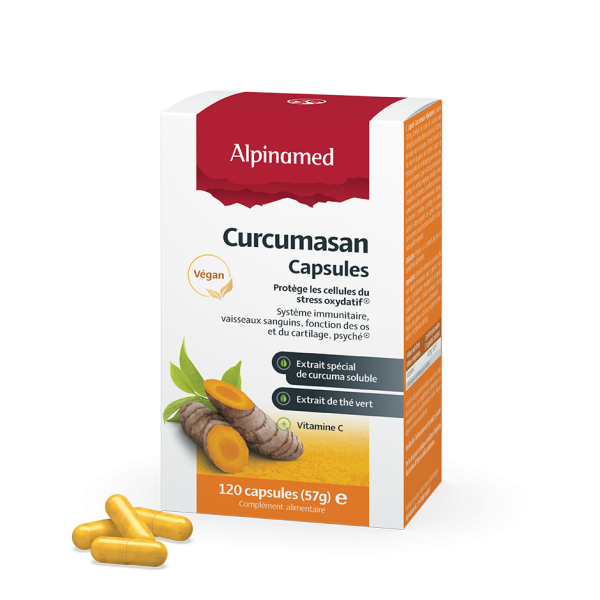
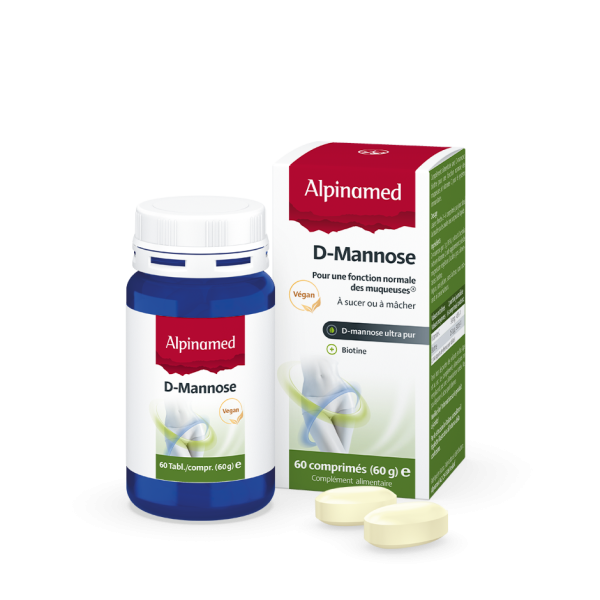
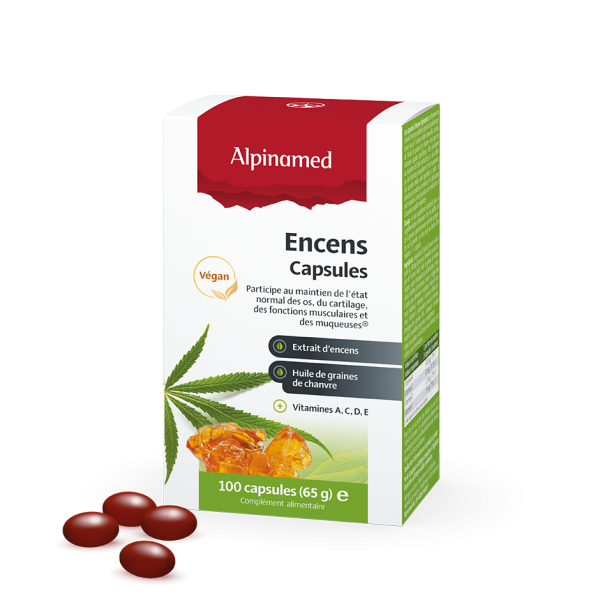
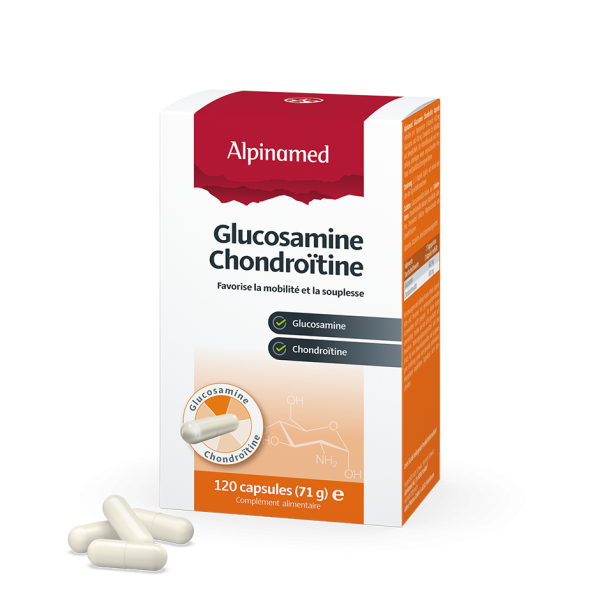
Magnesium from the pharmacy: which form should you choose?
Magnesium is the supplement we are asked about most often at the counter, for tiredness, stress or cramps. It is mainly useful when your diet does not provide enough (few green vegetables, pulses, wholegrains, nuts and seeds) or during periods of intense exercise.
- Organic forms (citrate, bisglycinate and other salts bound to an amino acid or an organic acid) are generally gentler on the gut.
- Magnesium oxide is highly concentrated but less well absorbed, and more likely to have a laxative effect.
- When to take it: spread a high dose over the day, and take it a few hours apart from certain medicines (some antibiotics, thyroid and osteoporosis medicines).
An example from our range: Neuro-Mag (magnesium L-threonate) by Life Extension. If you have kidney disease, always ask for medical advice before taking magnesium.
Vitamin D
In Switzerland, the sunshine between October and March is not enough for the skin to make sufficient vitamin D, which is why we get so many questions as winter approaches. Needs vary with age, pregnancy, skin colour and sun exposure: we help you choose a suitable dose, for example Life Extension vitamin D3. Avoid combining several products that contain it (multivitamins, fortified fish oils), and ask your doctor for a blood test if in doubt.
Probiotics
Probiotics are live micro-organisms; their effects depend on the strains and the dose, and cannot be assumed to carry over from one product to another. They may be worth considering during and after a course of antibiotics (taken at a different time of day), when travelling or for short-lived digestive upsets. Example: FlorAssist Probiotic Balance. Persistent digestive problems, weight loss or blood in the stools should always be seen by a doctor.
How to choose a food supplement at the pharmacy
- Start from a specific need, rather than piling up “wellbeing” products.
- Read the full ingredients list: form of the nutrient, dose per serving, excipients.
- Check for overlaps between supplements, especially vitamins A, D, E and K.
- Tell the pharmacist about your medicines, or if you are pregnant or breastfeeding.
- Decide how long the course should last, then review it.
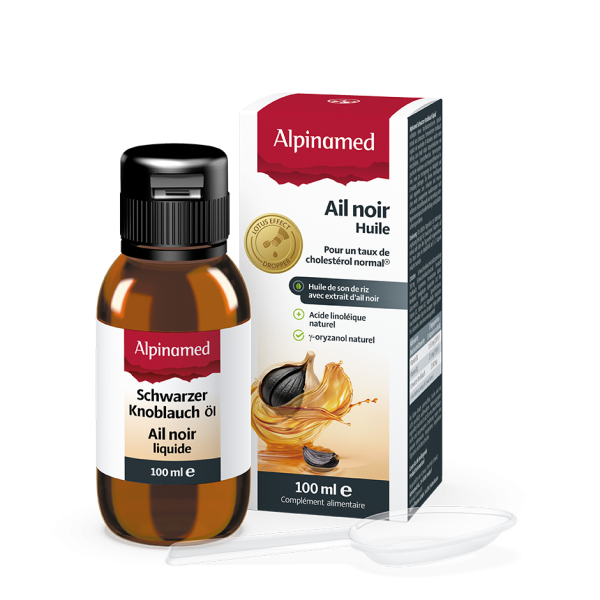
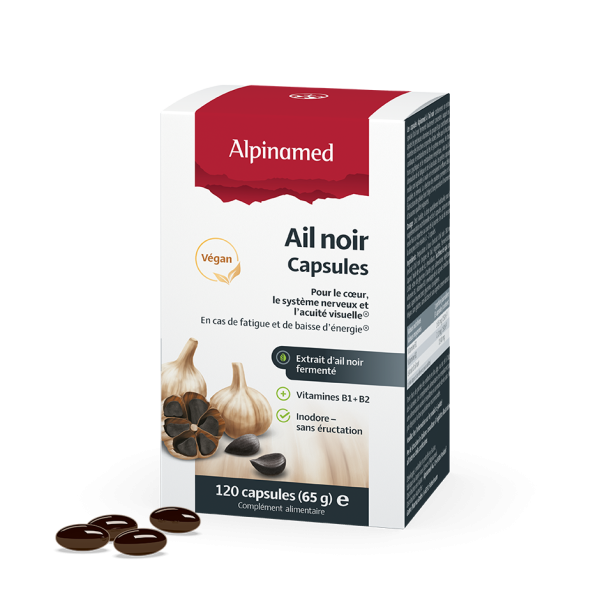
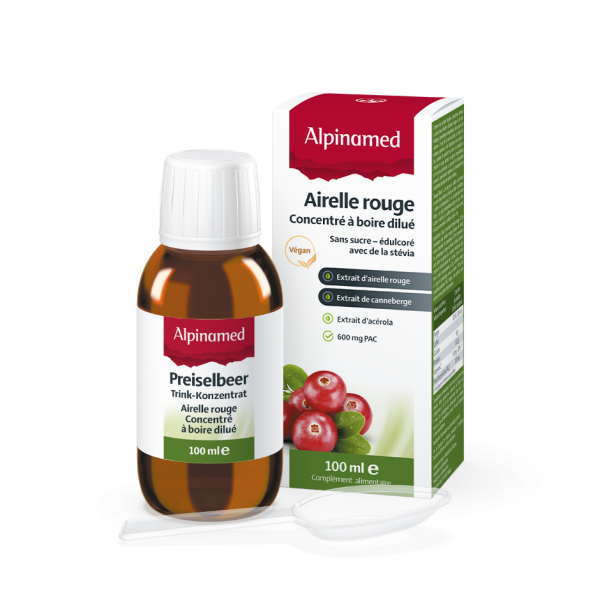
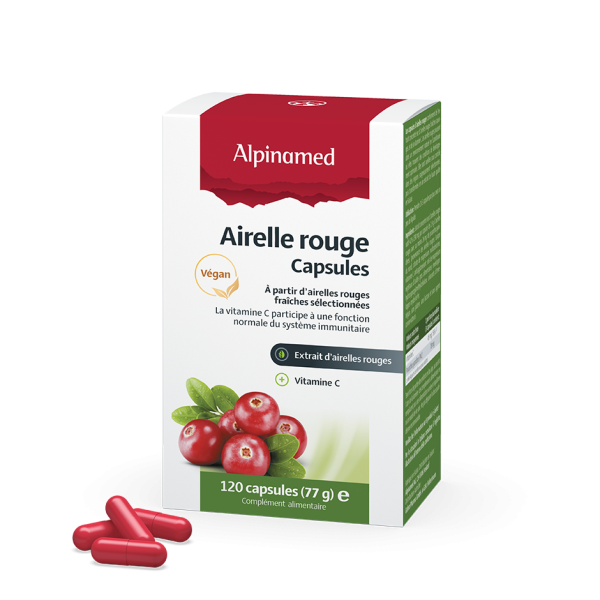
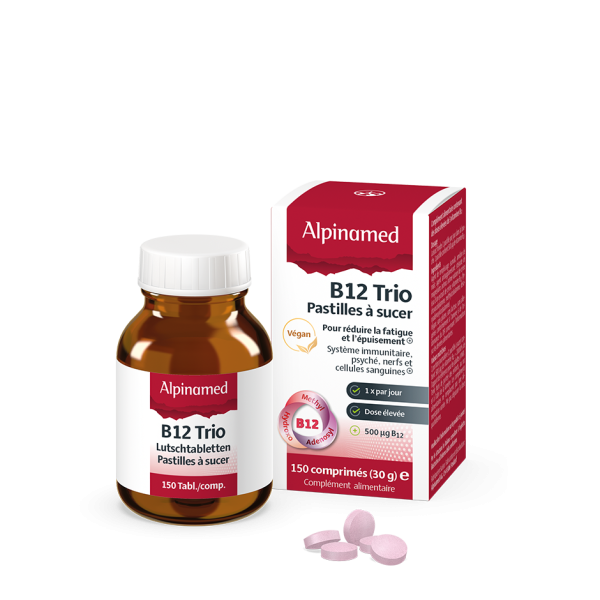
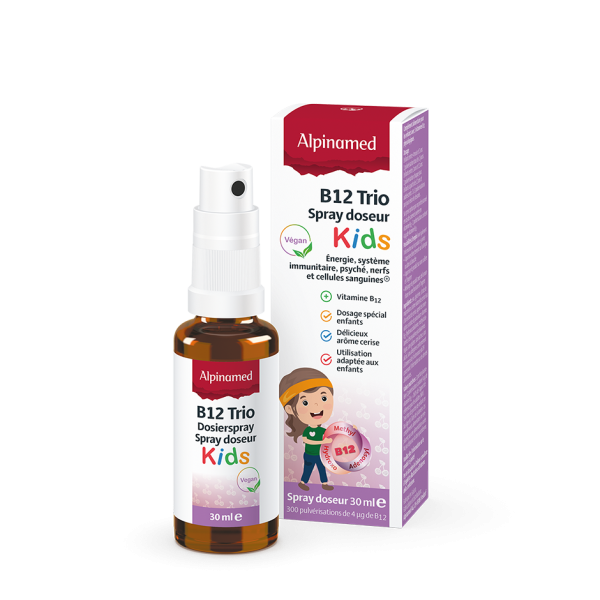
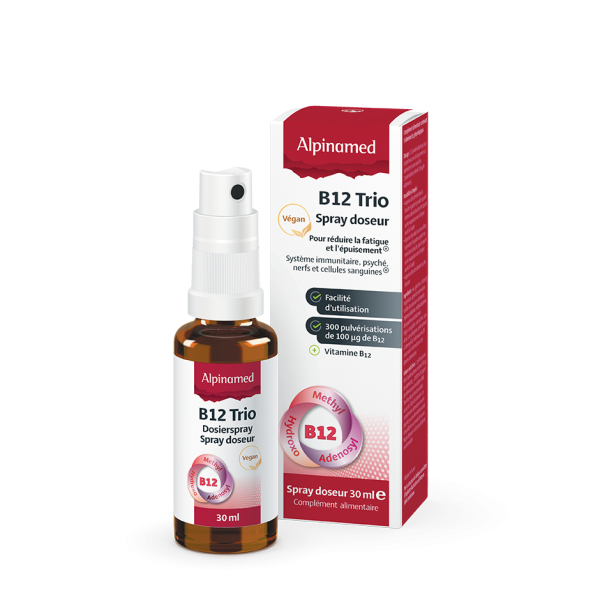
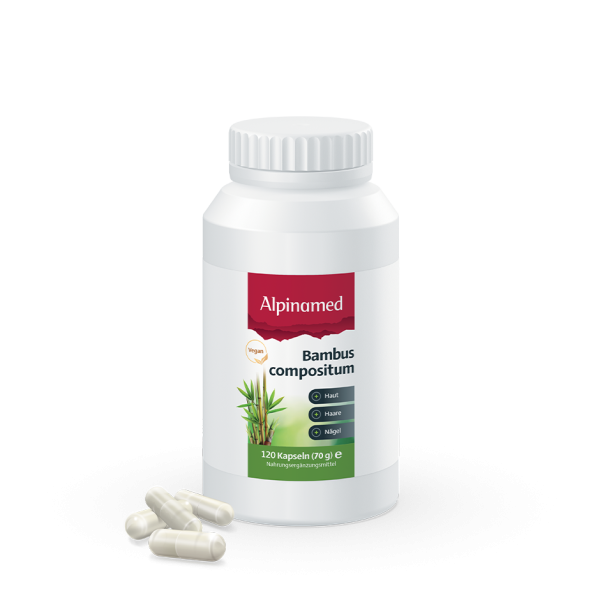
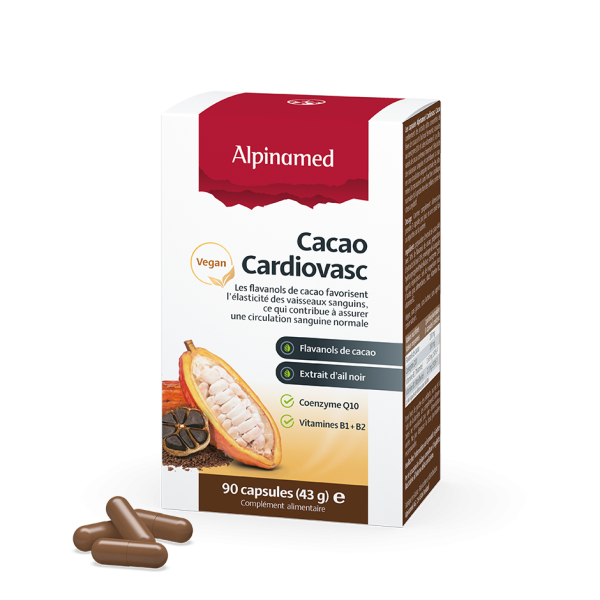
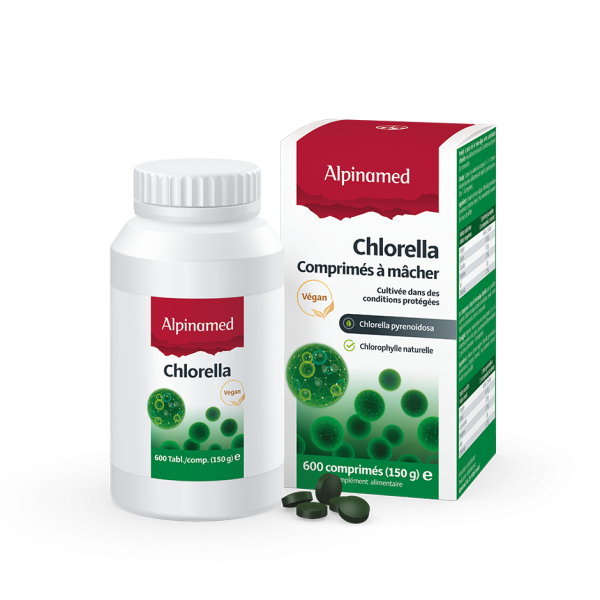
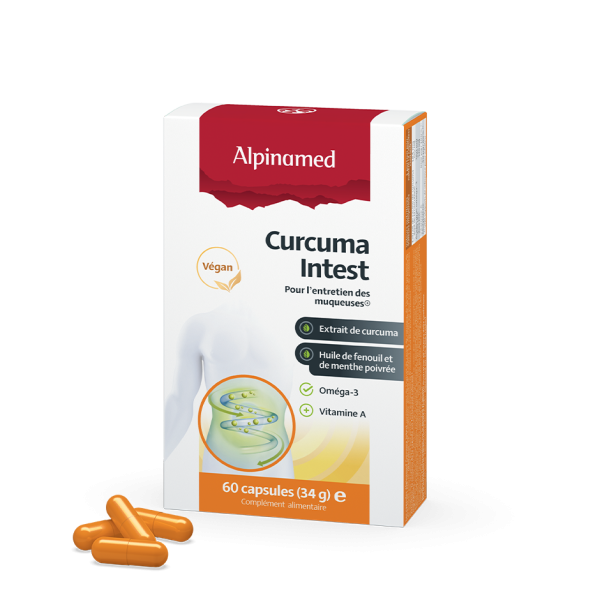
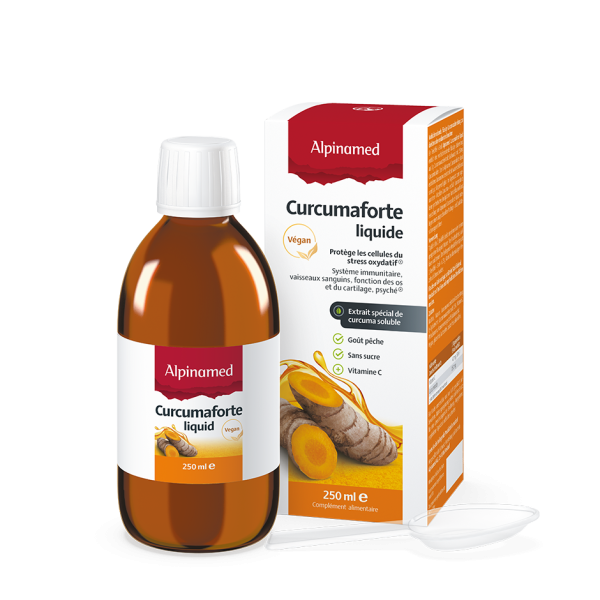
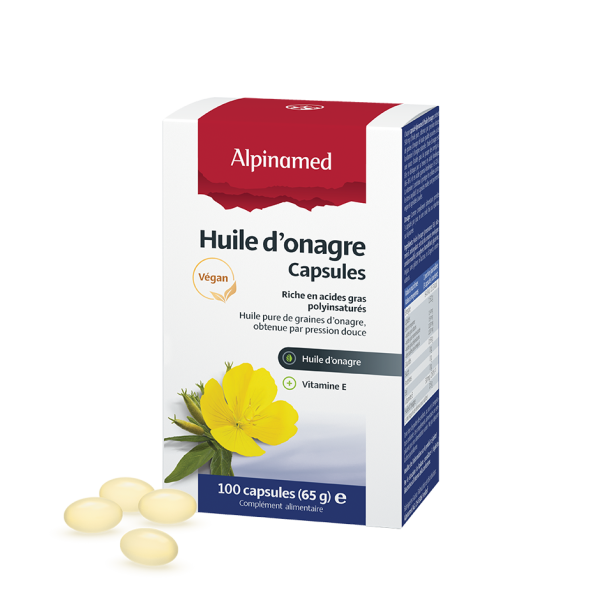
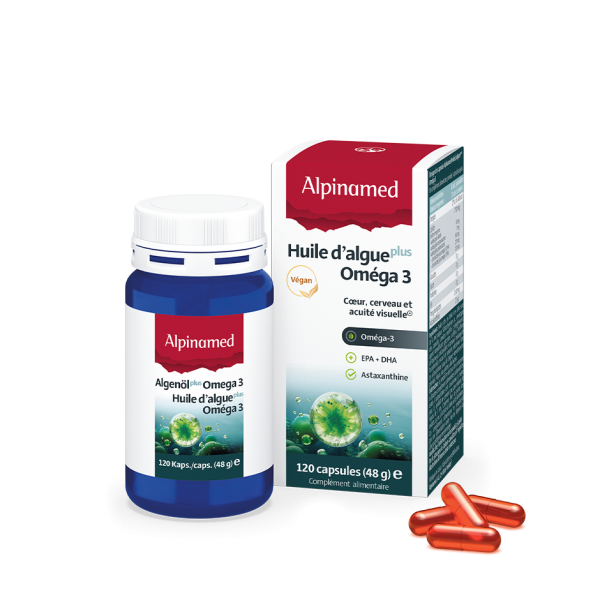
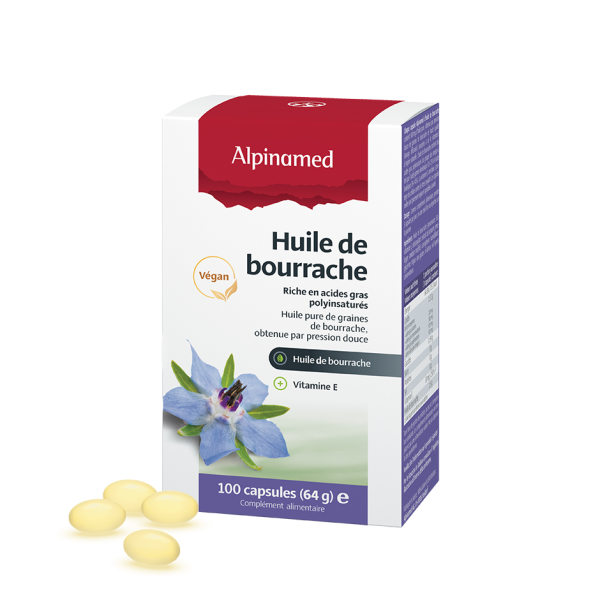
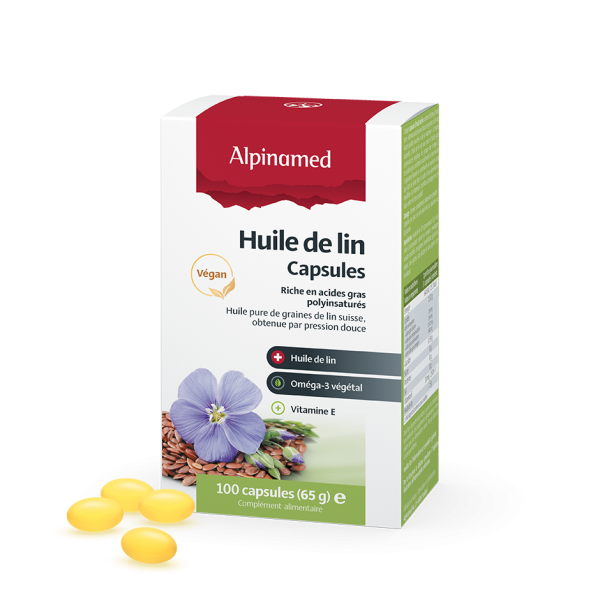
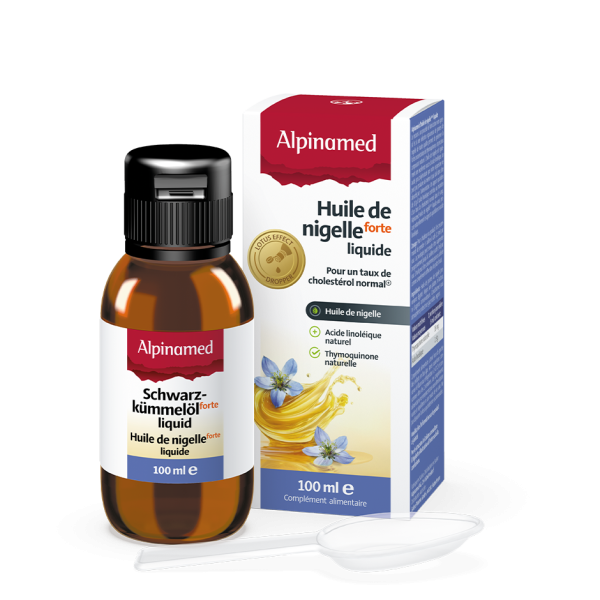
We favour well-established brands such as Life Extension, Alpinamed, Phytopharma and Vita. Food supplements are no substitute for a varied diet or for medical treatment.
Frequently asked questions
Which magnesium should I buy at the pharmacy?
Organic forms, such as magnesium citrate or bisglycinate, are generally better tolerated than magnesium oxide. The right choice depends on your need (tiredness, cramps, stress) and on any medicines you take: ask us at the counter or by phone.
Is a pharmacy supplement different from one bought at the supermarket?
The regulations for food supplements are the same, but at the pharmacy the range is selected by pharmacists and you get advice: we check doses, overlaps and interactions with your medicines.
Can I take magnesium and vitamin D at the same time?
Yes, these two supplements can be taken together. Stick to the recommended doses, avoid combining several products that contain vitamin D, and take magnesium a few hours apart from certain medicines. We are happy to check your situation.
Are food supplements covered by health insurance?
Generally not: food supplements are not covered by Swiss basic health insurance (LAMal). Some supplementary insurance policies contribute to prevention costs; check with your insurer.
How long should I take a supplement for?
It depends on the goal; often a few weeks to a few months, after which the need is reassessed. A micronutrition assessment helps set the right length and avoid unnecessary courses.
- Pick-up at the pharmacyReady quickly in Cologny
- DeliveryTo your door in Geneva and Switzerland
- Pharmacist adviceA question? +41 22 735 35 84
- Secure paymentEncrypted transactions