

Micronutrition · Cologny, Geneva
Micronutrition in Geneva: a personalised assessment at the pharmacy
Tiredness, low immunity, stress, sleep or skin concerns: a pharmacist reviews your diet, lifestyle and treatments and recommends only the supplements you need.
In short
At Pharmacie de Cologny in Geneva, a pharmacist carries out a personalised micronutrition assessment in English: diet, lifestyle, symptoms and current treatments, then a targeted supplement plan, checked for interactions, with follow-up.
- Micronutrition looks at the vitamins, minerals, fatty acids and other nutrients your body needs to function well.
What is micronutrition?
Macronutrients (proteins, carbohydrates, fats) provide energy. Micronutrients, such as vitamin D, magnesium, iron, zinc, B vitamins or omega-3 fatty acids, are needed in much smaller amounts but play a role in energy, immunity, mood, sleep, skin and bone health. A varied diet covers most needs, but some situations increase the risk of shortfalls: a long Swiss winter with little sun, a vegetarian or vegan diet, pregnancy or breastfeeding, intense sport, stress, certain medicines or simply age.
Micronutrition does not replace medical diagnosis or treatment. Its aim is to correct likely gaps and support your health in a targeted way, rather than piling up supplements “just in case”.
How does the assessment work?
- Appointment. Book a time with one of our pharmacists trained in micronutrition. The consultation takes place in a confidential area of the pharmacy.
- Questionnaire and discussion. We review your symptoms, diet, sleep, stress, physical activity, medical history and every medicine or supplement you already take.
- Your results. If your doctor has done recent blood tests (vitamin D, ferritin, B12…), bring them: they make the advice much more precise.
- Personalised plan. We recommend a limited number of supplements, with dosage, timing and duration, and explain what to change in your diet.
- Follow-up. We review how you feel after a few weeks and adjust or stop what is no longer useful.
| Service | Price |
|---|---|
| Micronutrition assessment with a pharmacist | On request |
Who can benefit?
- Persistent tiredness or low energy, especially in winter.
- Frequent colds or slow recovery after illness.
- Stress, poor sleep or muscle cramps.
- Hair loss, brittle nails or dull skin.
- Vegetarian or vegan diets, pregnancy plans, breastfeeding.
- Athletes and very active people: see also our sports health page.
- Older adults taking several medicines.
Supplements we trust

We select food supplements for their quality, the transparency of their composition and their dosage. Our shelves include brands such as Life Extension, Phytopharma and Alpinamed, and you can browse our full range of food supplements in the online shop.

Important
Supplements are not always harmless.
Some interact with medicines: for example, St John’s wort with the contraceptive pill and many other treatments, or vitamin K with certain anticoagulants. High doses of vitamins A or D can be harmful. Always tell us and your doctor what you take, and see a doctor if tiredness, weight loss or other symptoms persist: they may have a medical cause that needs investigating.
Frequently asked questions
Where can I get a micronutrition assessment in Geneva?
At Pharmacie de Cologny, Place du Manoir 20, Cologny. A pharmacist reviews your diet, lifestyle, symptoms and treatments and gives you a personalised supplement plan, in English if you prefer.
Is a micronutritionist the same as a dietitian?
No. A registered dietitian specialises in diet and eating plans, and, for certain conditions, can be reimbursed by basic insurance on medical prescription. Our micronutrition assessment focuses on vitamins, minerals and supplements and on their safe use with your medicines; we refer you to a dietitian or doctor when needed.
Should I take vitamin D in winter in Switzerland?
Many people in Switzerland have low vitamin D levels in winter because of limited sunshine. Whether you need a supplement, and at what dose, depends on your age, diet, sun exposure and health: ask us or your doctor.
Are food supplements reimbursed by health insurance?
Generally not by basic insurance (LAMal). Some supplementary policies contribute to certain products or prevention services. Keep your receipts and check your policy.
Do I need a blood test before the assessment?
No, but recent results from your doctor make the advice more precise. If a test seems useful, we will suggest discussing it with your doctor.
Pharmacie de Cologny
Our other services
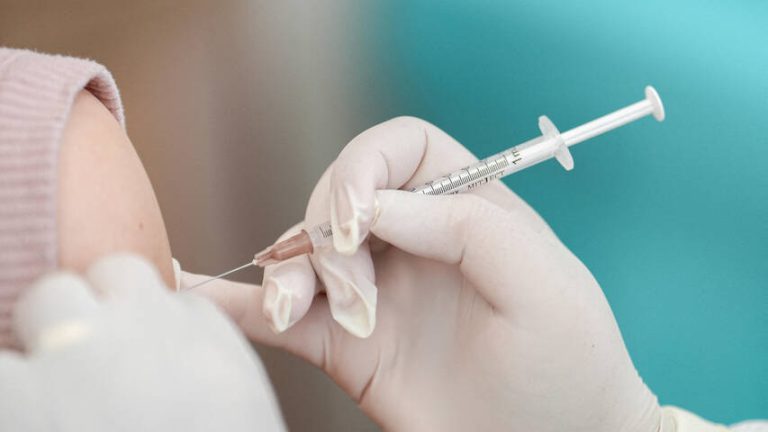
Vaccination
Flu, tick-borne encephalitis (TBE), Covid-19 and travel vaccines, without a prescription for adults. Discover
Medical equipment rental
Breast pumps, crutches, wheelchairs, walkers: checked equipment, usage advice and delivery. Discover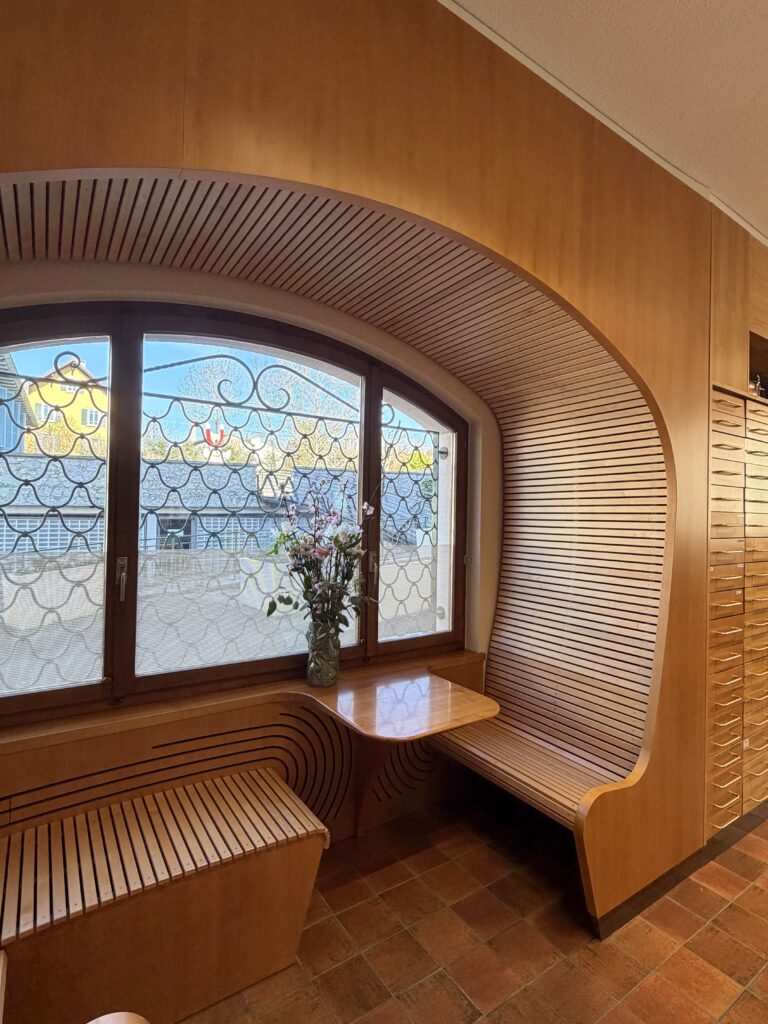
Compression stockings
In-store measurement, compression classes and health-insurance reimbursement explained. Discover