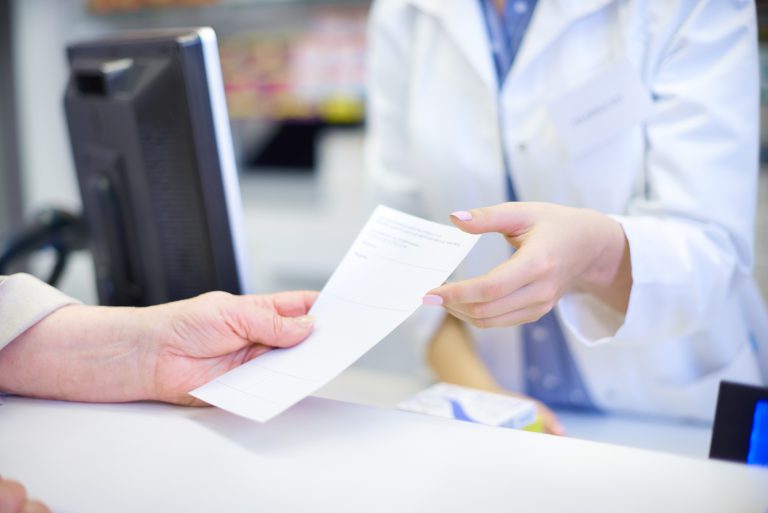
Viral or bacterial sore throat: when should you get a strep test?
Most sore throats are viral and clear up without antibiotics. Signs that suggest strep, how the rapid pharmacy test works and when to see a doctor.

In short
A viral or bacterial sore throat can feel much the same, but most cases are viral: they clear up on their own in about a week and need no antibiotics.
- Strep throat is more likely with fever, swollen tonsils and tender glands but no cough.
- A rapid pharmacy test can then settle the question in about ten minutes.
As soon as the first chilly days of October arrive, sore throats turn up at the counter of the Pharmacie de Cologny, often with the same worry: “Do I need antibiotics?” The answer is usually no, but not always.
Knowing how to tell a viral sore throat from a bacterial one avoids unnecessary antibiotics, without missing an infection that does need treatment.
Viral or bacterial sore throat: what is the difference?
A sore throat of this kind (tonsillitis or pharyngitis) is an inflammation of the tonsils and the back of the throat. In the vast majority of cases, it is caused by a virus, the same ones that cause colds or flu. In the remaining cases, the bacterium responsible is mainly group A streptococcus.
According to the US health authorities (CDC), this streptococcus is responsible for around 5 to 15% of sore throats in adults and 20 to 30% in children. It is, however, rare before the age of 3.
| Sign | More likely viral | More likely strep |
|---|---|---|
| Cough, runny nose, hoarse voice | Common | Usually absent |
| Fever | Moderate or absent | Often above 38 °C |
| Tonsils | Red | Swollen, sometimes covered with whitish patches |
| Neck glands | Barely noticeable | Swollen and tender at the front of the neck |
| Age | All ages | More common between 3 and 15 |
Doctors combine these elements into a score (the Centor or McIsaac score): the more signs point to strep, the more useful a test is. Conversely, a sore throat with a cough and a runny nose is almost always viral, and a test adds very little.
Why not take antibiotics “just in case”?
Antibiotics have no effect on viruses. Taken unnecessarily, they expose you to side effects (digestive problems, allergies) and encourage bacteria to become resistant to antibiotics, a major public health issue in Switzerland as elsewhere.
When a sore throat really is caused by strep, on the other hand, antibiotic treatment prescribed by a doctor shortens the illness, limits contagion and prevents rare complications (abscess, acute rheumatic fever). Hence the value of knowing what you are dealing with.
How does a strep test work at the pharmacy?
The rapid test detects group A streptococcus at the back of the throat. It is simple and painless, although it can trigger a brief gag reflex.
- Consultation. The pharmacist asks you a few questions: how long you have had symptoms, fever, cough, current treatments, allergies. They examine your throat and neck.
- Swab. If the signs warrant it, a swab is passed over the tonsils, in a private consultation area.
- Result in about ten minutes. You can wait on site or run an errand while the test is analysed.
- Personalised advice. Negative test: symptom relief and advice. Positive test: we refer you promptly to a doctor for further care.
Good to know.
The test is more reliable when symptoms are well established and you have not already taken antibiotics. Avoid sucking a lozenge or drinking just before the swab. For young children, see the paediatrician first.
How can you ease a sore throat?
Whether viral or bacterial, a sore throat can be eased with a few simple measures:
- Drink regularly, warm or cool drinks depending on what soothes you.
- Suck lozenges: they stimulate saliva and soothe the lining of the throat. Some contain a local anaesthetic, to be used as directed in the leaflet.
- A painkiller such as paracetamol or ibuprofen, following the leaflet and your pharmacist’s advice, especially if you take other medicines.
- Humidify the air in the bedroom, which is often very dry with the heating on.
- A spoonful of honey, for adults and children over one year.
- Avoid tobacco and smoke, which irritate the throat further.
When should you see a doctor?
Emergency
Call 144 (the Swiss emergency number) or go to A&E if you have difficulty breathing, cannot swallow your saliva (drooling), have a muffled “hot potato” voice or significant swelling on one side of the throat or neck.
See your doctor promptly if any of the following applies. In the evening and at weekends, the Centrale Santé Genève, Geneva’s medical helpline (0800 116 117, free, 24/7), will direct you to an on-call doctor; since September 2026, it has also been the entry point for out-of-hours paediatric care.
- the fever is above 39 °C or lasts more than three days;
- you have trouble opening your mouth or the pain is clearly worse on one side;
- a red skin rash appears (possible scarlet fever);
- the sore throat lasts more than a week, or comes with severe tiredness and large glands (suggesting glandular fever in teenagers and young adults);
- you have weakened immunity or a treatment that lowers your white blood cell count;
- it concerns a baby or young child who is not drinking well.
Our advice at the Pharmacie de Cologny
There is no need to rush at the first tickle: most sore throats improve within a few days with simple care. If you have a fever, swollen tonsils and no cough, come and see us instead for a strep test at the pharmacy: it is done without an appointment, depending on our availability, with a result in a few minutes. Price of the test: On request.
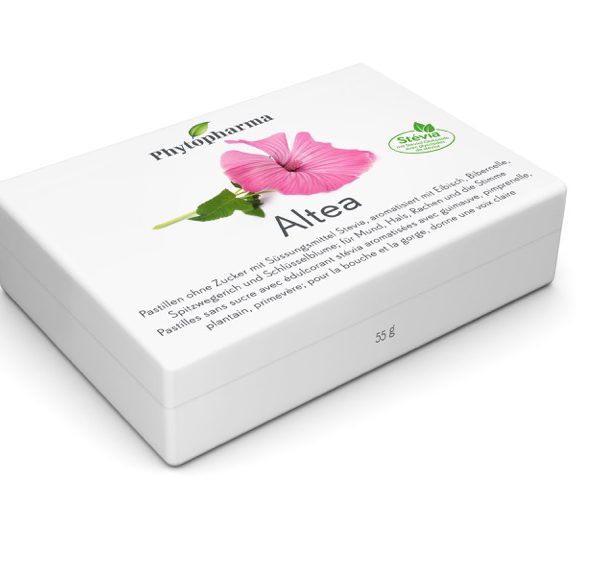
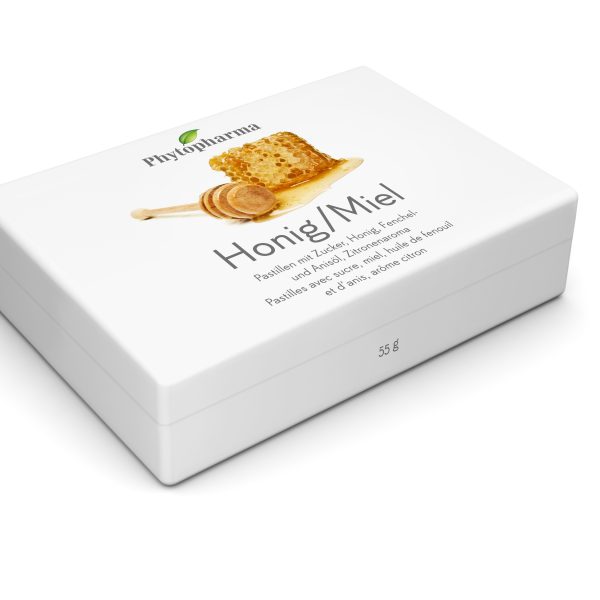
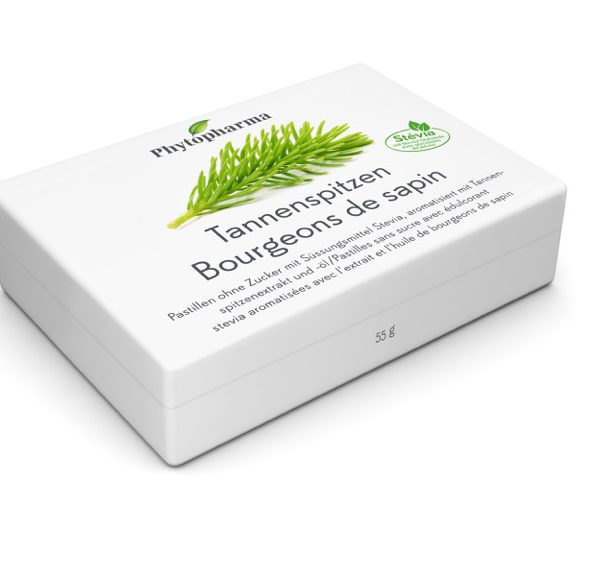
To soothe your throat, we are happy to recommend lozenges suited to your situation, taking into account your treatments and any diabetes.
Frequently asked questions
How can I tell whether a sore throat is viral or bacterial?
A cough, runny nose or hoarse voice point to a virus. Fever, swollen tonsils and tender glands without a cough suggest strep. However, only a rapid test or a throat culture can confirm a bacterial infection.
How long does a viral sore throat last?
A viral sore throat generally improves within three to four days and goes away in about a week, without antibiotics. If symptoms last longer or get worse, see a doctor.
Is the pharmacy strep test reliable?
Rapid strep tests are reliable when carried out properly and on suggestive symptoms. A negative result in an adult with few bacterial signs generally means antibiotics can be avoided. If there is clinical doubt, the doctor can carry out further tests.
Is a sore throat contagious?
Yes, whether viral or bacterial, it spreads through droplets and hands. Wash your hands often, cough into your elbow and avoid sharing glasses and cutlery. On antibiotics, strep throat generally stops being contagious 12 to 24 hours after starting treatment.
Can a child have a strep test at the pharmacy?
For children, and especially young children, we recommend seeing the paediatrician first, who will assess their general condition, hydration and whether a test is useful. Call us if you are unsure what to do.
Sources

Colds, flu & ENT
Further reading
Cold remedies: what can you take without a prescription for a blocked nose?
Nasal rinses, a decongestant spray for a few days only, paracetamol if needed: what really helps a cold in adults and children, and when…
Sinusitis: relieving the symptoms and knowing when to see a doctor
Blocked nose, pressure behind the cheekbones? How to relieve sinusitis at home, use decongestant sprays safely and recognise when you need a doctor.
Dry or chesty cough: which syrup should you choose?
Dry tickly cough or chesty cough with phlegm? How to tell the difference, choose the right syrup, care for a coughing child and know…