
Dry or chesty cough: which cough syrup should you choose?
Dry tickly cough or chesty cough with phlegm? How to tell the difference, choose the right syrup, care for a coughing child and know when to see a doctor.


In short
Whether you have a dry or chesty cough changes the syrup you need.
- For a dry, tickly cough, choose a soothing syrup or cough suppressant that calms the reflex.
- For a chesty cough with phlegm, choose an expectorant that helps clear it without blocking the cough.
- Never combine the two, and see a doctor if it lasts over three weeks.
“I’d like some cough syrup.” Before answering, we always ask the same question at the counter: “Is it dry or chesty?” The answer completely changes the choice of product, and the wrong syrup can prolong the problem instead of relieving it.
A cough is not an illness but a defence reflex: it protects the airways. The aim is therefore to calm it when it is exhausting you to no purpose, and to help it when it is doing a useful job.
Dry or chesty cough: how can you tell the difference?
| Dry cough | Chesty cough | |
|---|---|---|
| Sensation | Tickling, irritation in the throat | Congestion in the chest |
| Phlegm | None | Phlegm (mucus) that you bring up when coughing |
| Timing | Often at night, in fits, or when talking | Often in the morning on waking |
| Typical context | Start of a cold, dry air, irritation after a virus | A cold that “goes to the chest”, bronchitis |
| Aim | Calm the cough reflex | Thin and clear the mucus |
Which syrup for a dry cough?
There are two approaches, chosen according to how severe the cough is:
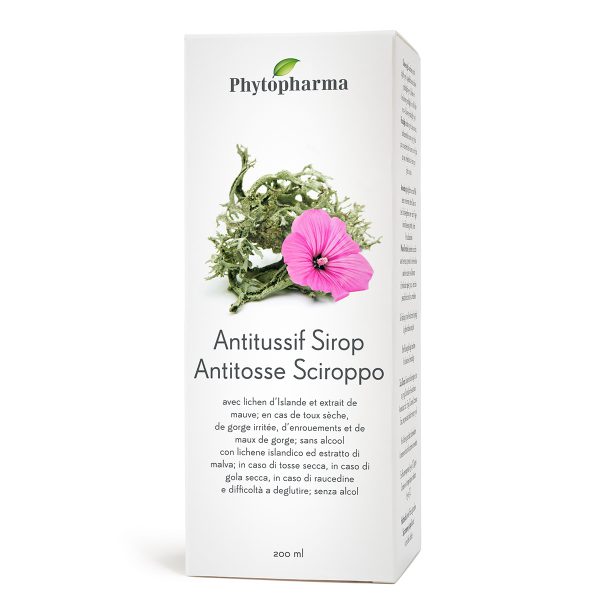
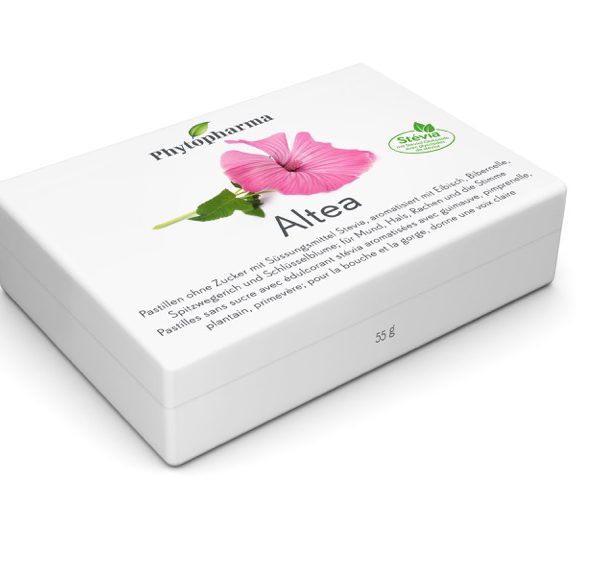
- Soothing syrups and lozenges, made with mucilaginous plants (marshmallow, plantain, mallow) or honey. They form a protective film over the irritated throat and are suitable for mild coughs.
- Cough suppressants, which act on the cough reflex. They are reserved for troublesome dry coughs, particularly those that stop you sleeping, and are used for a short time, following the leaflet and your pharmacist’s advice.
Some cough suppressants cause drowsiness or interact with other medicines (antidepressants, sleeping pills, strong painkillers). Those containing codeine or its derivatives are not suitable for children. That is why we always ask about the treatments you are currently taking.
What if the dry cough does not go away?
A dry cough that sets in without a cold should prompt a search for another cause: asthma, allergy, gastro-oesophageal reflux, or certain blood pressure medicines (ACE inhibitors), which are known to cause a chronic cough. In these cases, a syrup only masks the problem: talk to your doctor, and never stop a treatment on your own.
Which syrup for a chesty cough?
Here, the cough is useful: it expels secretions. The aim is not to suppress it, but to make it more effective with an expectorant or a mucolytic that thins the mucus. Ivy, thyme or certain molecules such as acetylcysteine are often used.
Important
Never combine a cough suppressant and an expectorant.
Thinning the secretions while blocking the cough leaves them sitting in the airways, which encourages secondary infection.
Drink plenty: good hydration is the first mucus thinner. Also avoid taking an expectorant just before bed, as it increases secretions during the first few hours.
What is the best cough syrup?
There is no single best cough syrup: the right one is the one that matches your type of cough, your age and your other treatments. This table sums up the main families we offer at the counter.
| Dry cough | Chesty cough | |
|---|---|---|
| Aim | Calm the cough reflex and soothe the throat | Thin secretions and help clear them |
| Type of syrup | Soothing, or a suppressant if the cough is troublesome | Expectorant or mucolytic |
| Example ingredients | Marshmallow root, plantain, mallow, honey; dextromethorphan (suppressant) | Ivy leaf, thyme; acetylcysteine, ambroxol |
| When to take it | In the evening, if the cough stops you sleeping | During the day, not just before bed |
| Avoid | A suppressant once the cough becomes chesty | Any combination with a suppressant |
Always follow the leaflet and the stated duration, and tell us if you are pregnant, breastfeeding or taking other medicines before choosing.
Coughs in children: special precautions
For children, many syrups are unsuitable, and some mucus thinners, like some cough suppressants, are contraindicated in the youngest. Never give a child a syrup intended for adults simply by reducing the dose.
- rinse the nose with saline solution: in young children, coughing often comes from mucus running down the throat;
- raise the head of the bed slightly (under the mattress, never with a pillow for a baby);
- offer drinks often;
- from the age of one, a spoonful of honey can soothe a night-time cough;
- always ask for advice before giving any syrup, with the child’s age and weight to hand.
What helps, whatever the type of cough
- Humidify the air in the bedroom, where heating dries out the airways; aim for a temperature of 18 to 19 °C.
- Inhale steam (hot shower, or a bowl of hot water for adults only, taking care to avoid burns).
- Stop smoking or avoid smoke, which keeps the irritation going.
- Cough into your elbow and wash your hands to protect those around you.
If your cough comes with a sore throat, our article sore throat: when to get a strep test at the pharmacy will help you work out what to do.
When should you see a doctor about a cough?
After a cold or flu, a cough can persist for up to three weeks without being a cause for concern. However, see a doctor if:
- the cough lasts more than three weeks;
- you cough up blood or very coloured phlegm with a fever;
- you are short of breath, wheezing or have chest pain;
- the fever is above 39 °C or lasts more than three days;
- the cough comes in exhausting fits, sometimes followed by vomiting (possible whooping cough);
- you smoke and your usual cough changes;
- you are losing weight or sweating heavily at night.
Outside surgery hours, the Centrale Santé Genève, Geneva’s medical helpline (0800 116 117, free, 24/7), will direct you to an on-call doctor, including for a child: since September 2026, it has also been the entry point for out-of-hours paediatric care.
Emergency
Emergency: call 144 if a child is breathing very fast, is pulling in the muscles of the neck or between the ribs, turns bluish around the lips, or has a “barking” cough with a high-pitched sound when breathing in and difficulty breathing. In a baby under three months, any fever means seeing a doctor promptly.
Our advice at the Pharmacie de Cologny
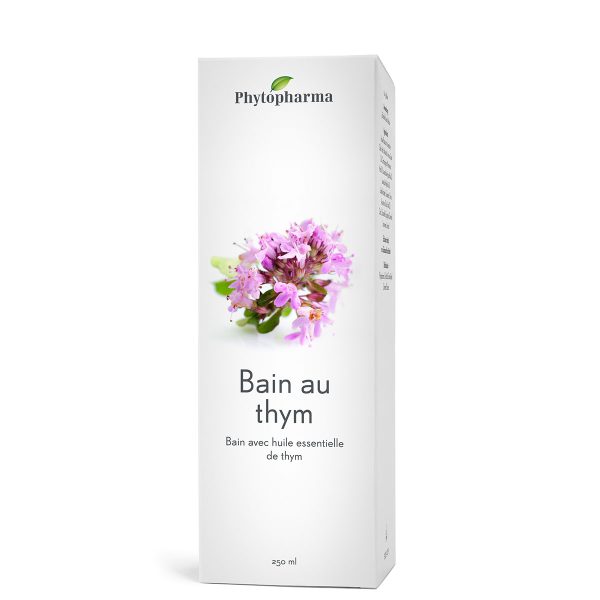
Describe your cough to us, how long you have had it, your other symptoms and your treatments: in two minutes, we will point you to the right product, or to a doctor if the situation requires it. For a question before you come in, contact our team; you can also order certain non-prescription products from our online shop.
Would you also like to protect yourself against the flu this winter? The flu vaccine is available at Pharmacie de Cologny without a prescription from age 16. To choose the right time, read flu vaccine: when should you get vaccinated?
Frequently asked questions
How do I know whether my cough is dry or chesty?
A dry cough irritates the throat without bringing anything up, often in fits. A chesty cough comes with congestion and phlegm that you cough up or feel moving in your chest. If you are unsure, describe it to the pharmacist.
Can I take a dry cough syrup and a chesty cough syrup at the same time?
No. Blocking the cough while thinning the mucus prevents it from being cleared and can encourage a secondary infection. Choose one or the other depending on the type of cough you have at the time.
Which syrup should I take for a dry cough at night?
A dry cough that wakes you at night may justify a cough suppressant taken in the evening for a few days, as directed on the leaflet. Some cause drowsiness: that can help at night, but take care with alcohol and sleeping pills. Raise the head of the bed and humidify the bedroom. If the cough is chesty, avoid a suppressant.
How long can a cough last after a cold?
A post-viral cough can last up to three weeks, as the airways remain irritated. Beyond that, or if you are short of breath, have a fever or cough up blood, see a doctor.
Does honey work for a cough?
Honey can soothe an irritating cough, especially at night, in adults and children. It must never be given to a baby under one year old because of the risk of infant botulism.
Which cough syrup can I take during pregnancy?
During pregnancy and breastfeeding, many syrups are not recommended. Favour simple measures (hydration, humidifying the air, honey) and always ask your pharmacist or doctor before taking any treatment.
Sources



Colds, flu & ENT
Further reading
Cold, flu or Covid: how to tell the difference
Runny nose, fever, aching muscles: our pointers for telling a cold from flu or Covid, knowing when to do a test and when to…

Cold remedies: what can you take without a prescription for a blocked nose?
Nasal rinses, a decongestant spray for a few days only, paracetamol if needed: what really helps a cold in adults and children, and when…
Sinusitis: relieving the symptoms and knowing when to see a doctor
Blocked nose, pressure behind the cheekbones? How to relieve sinusitis at home, use decongestant sprays safely and recognise when you need a doctor.