
Aromatherapy: how to use essential oils safely
Lavender, tea tree, eucalyptus, peppermint: how to choose and use essential oils safely, and the precautions to take with children and in pregnancy.

In short
Aromatherapy means using essential oils, highly concentrated plant extracts, in a diffuser, by inhalation or diluted on the skin.
- Well chosen, they can ease minor everyday complaints.
- But they are potent: never apply them neat to the skin without advice, and never use them for children under 3 or during pregnancy without professional guidance.
With the cold season, bottles of eucalyptus and ravintsara are making their way back into living rooms and handbags. At the counter of the Pharmacie de Cologny, we also regularly hear the opposite: “It’s natural, so it can’t do any harm.” That is precisely where aromatherapy calls for rigour.
A single drop of essential oil concentrates the compounds of a large quantity of plant material. This guide will help you make the most of them safely.
What is aromatherapy?
An essential oil is most often obtained by steam distillation of aromatic plants (flowers, leaves, bark), or by cold pressing in the case of citrus peel. It concentrates fragrant molecules with a range of properties: soothing, purifying, decongestant, refreshing.
To choose well, check the label for:
- the plant’s Latin name (for example Lavandula angustifolia for true lavender), as plants with similar common names can have very different properties;
- the part of the plant distilled and, if possible, the chemotype (the dominant molecule);
- the words 100% pure and natural, with nothing added or blended in;
- the precautions for use and the minimum age for use.
The 10 most useful essential oils at the pharmacy
| Essential oil | Traditional uses | Main precaution |
|---|---|---|
| True lavender | Relaxation, falling asleep, minor skin irritations | One of the best tolerated; dilute for regular use |
| Tea tree | Spots, skin hygiene | Always dilute on large areas; can irritate |
| Eucalyptus radiata | Blocked nose, winter atmosphere in a diffuser | Not recommended for children or people with asthma without advice |
| Ravintsara | Diffusion during the cold season | Not for young children or during pregnancy without advice |
| Peppermint | Cooling sensation, tension headaches, nausea | Very potent: never for children, pregnant or breastfeeding women, nor near the eyes |
| Lemon (peel) | Diffusion, invigorating atmosphere | Photosensitising: do not apply to the skin before sun exposure |
| Sweet orange | Calming atmosphere in a diffuser | Photosensitising, like other citrus oils |
| Petitgrain bigarade | Nervousness, passing stress | Well tolerated when diluted |
| Roman chamomile | Soothing, sensitive skin | Risk of allergy in people sensitive to the daisy family (Asteraceae) |
| Wintergreen | Muscle massage after exercise | Contains a salicylate derivative: not to be used with anticoagulants, if allergic to aspirin, for children or during pregnancy |
How should you use essential oils?
In a diffuser
This is the most common way to scent and freshen the air. Diffuse in sessions of 15 to 20 minutes, in a ventilated room, then stop: continuous diffusion irritates the airways. Never diffuse in the presence of a baby or a person with asthma or epilepsy, nor in a bedroom that is occupied at night.
By inhalation
A few drops on a tissue that you breathe in from time to time, or in a bowl of hot water (adults only, with your eyes closed), can clear a blocked nose. Avoid this method if you have asthma.
On the skin, always diluted
Most essential oils must be diluted in a vegetable oil (sweet almond, jojoba, sunflower). For a massage in adults, the general rule is a few drops of essential oil per tablespoon of vegetable oil. Before using a blend for the first time, test it in the crook of your elbow and wait 24 hours to check there is no reaction.
By mouth?
Taking essential oils by mouth, on a sugar cube or in honey, carries real risks (burns to the digestive tract, toxicity for the liver or nervous system). It should only be done on the advice of a trained health professional, never as self-medication and never for children.
Essential oils: what precautions for children and pregnant women?
Emergency
Children.
No essential oils before the age of 3 without medical or pharmaceutical advice. Certain molecules (menthol, camphor, eucalyptol) can cause seizures or breathing spasms in young children, even when applied to the chest. Keep bottles out of reach: if swallowed, call Tox Info Suisse, the Swiss poisons centre, immediately on 145, or 144 in an emergency.
- Pregnancy and breastfeeding: most essential oils are not recommended, especially in the first trimester. Always ask for advice.
- Epilepsy and asthma: avoid diffusion and oils rich in ketones or menthol.
- Allergies: essential oils contain natural allergens (linalool, limonene, geraniol…).
- Current treatments: some oils interact with anticoagulants or other medicines.
- Pets: cats are particularly sensitive to essential oils; avoid diffusing them in the room where they live and never apply them to an animal without a vet’s advice.
When should you see a doctor?
Aromatherapy is suitable for minor, passing complaints. See a doctor if symptoms persist or get worse: high fever, difficulty breathing, a cough lasting more than three weeks, a skin lesion that spreads or does not heal. If redness, burning or itching occurs after application, rinse generously with a vegetable oil, then soapy water, and ask for advice.
Our advice at the Pharmacie de Cologny
Buying your essential oils at a pharmacy means, above all, getting advice: the right bottle, the right dilution, and a check that the oil suits your age, health and treatments. Come with your questions, or with the bottle you already have at home: we will show you how to use it safely.
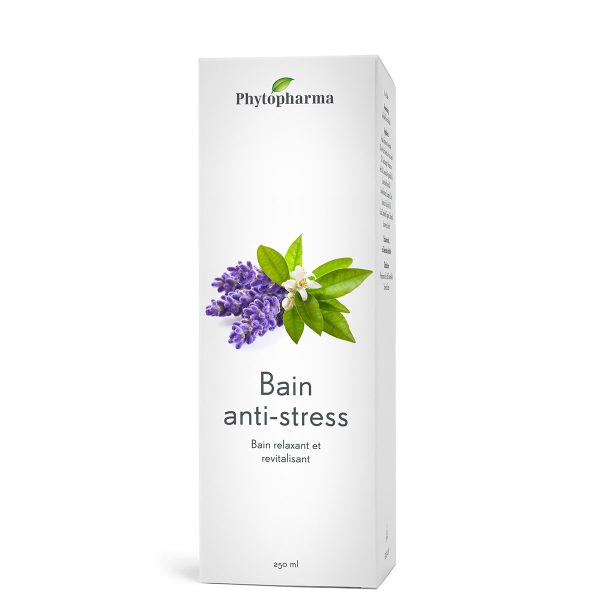
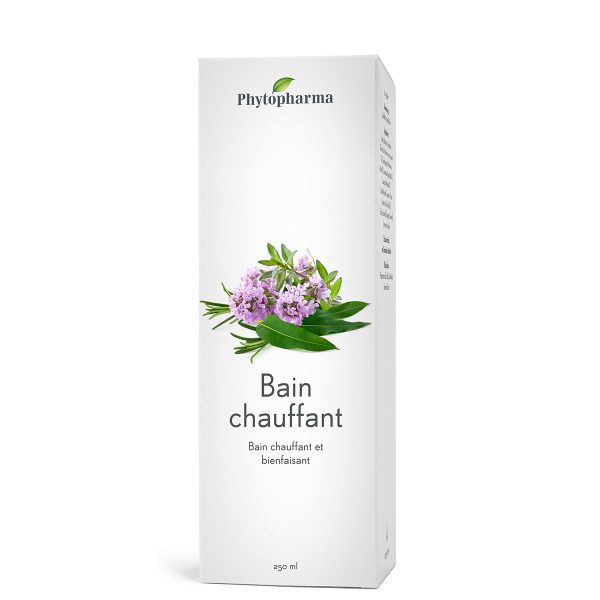
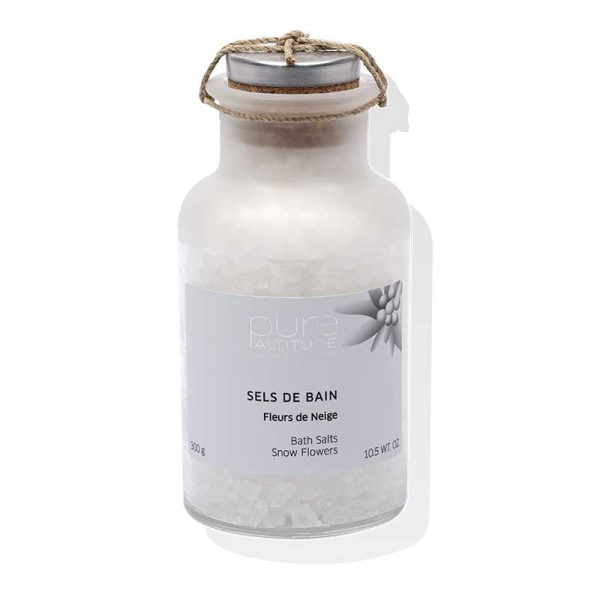
For a gentle approach to relaxation and everyday wellbeing, also explore our natural wellbeing range: herbal baths, bath salts and nature-inspired care.
Frequently asked questions
Why buy essential oils at a pharmacy?
At a pharmacy, you get personalised advice on choosing the oil, diluting it and the contraindications linked to your age, a pregnancy or your treatments. The pharmacist can also refer you to a doctor if your symptoms warrant it.
Can you apply an essential oil neat to the skin?
As a rule, no: most must be diluted in a vegetable oil to avoid irritation and allergies. A few well-tolerated oils, such as true lavender or tea tree, can be applied neat very occasionally to a small area, in adults.
How long should you diffuse essential oils?
In sessions of 15 to 20 minutes, a few times a day at most, in a ventilated room and away from young children, people with asthma and pets. Continuous diffusion is not recommended.
Which essential oils are dangerous for children?
Oils rich in menthol, camphor or eucalyptol (peppermint, camphor rosemary, certain types of eucalyptus) can cause seizures in young children. Before the age of 3, do not use any essential oil without professional advice.
Do essential oils go off?
Yes. Once opened, they gradually oxidise, especially citrus oils, and become more irritating. Keep them tightly closed, away from light and heat, and respect the date shown.