
Chapped lips and dry hands: the right winter care
Peeling lips, split mouth corners, cracked fingertips: how to choose the right balm and hand cream, protect your skin from the cold and heal it quickly.


In short
For chapped lips and dry hands, the key is to protect the skin before it gets damaged: a rich, fragrance-free lip balm applied several times a day, hand cream after every wash, gloves outdoors and for the washing-up, and a thick treatment at night.
- If there is no improvement in two to three weeks, see a doctor.
Lips and hands are the first victims of the cold. They have almost no sebaceous glands and remain exposed to the wind, and hands also have to cope with repeated washing and hand sanitiser. The result: peeling lips, split corners of the mouth, rough fingers and small, painful cracks at the fingertips.
At the counter of the Pharmacie de Cologny, these minor complaints may seem trivial, but they spoil daily life. They respond very well to treatment, though, provided you choose the right products and change a few habits.
Why do lips get chapped in winter?
The skin of the lips is very thin, with no natural protective film. Dry cold, wind and heated indoor air quickly evaporate their moisture. The reflex of licking them makes the problem worse: saliva evaporates in turn, taking a little more moisture with it, and its enzymes irritate the skin.
Other factors play a part: breathing through your mouth when your nose is blocked, certain toothpastes or long-lasting lipsticks, acne treatment, or sunlight reflected off the snow in the mountains.
Chapped lips: which treatments should you choose?
- A rich, covering balm, based on beeswax, shea butter, vegetable oils or petroleum jelly, which forms a barrier against the cold.
- Preferably free from fragrance and flavourings: menthol, camphor or fruity flavours, which make you want to lick your lips, can keep the irritation going.
- Frequent application: as soon as the dry feeling returns, before going out, and in a thick layer at bedtime.
- A lip stick with sun protection for skiing and sunny days at altitude.
- No peeling off the little flakes of skin: let them come away on their own under the balm.
Split corners of the mouth?
This condition, known as angular cheilitis, is often kept going by saliva and can be complicated by a fungal or bacterial infection. If it does not heal within one to two weeks with a protective balm, ask for advice: specific treatment may be needed.
Dry, cracked hands: how can you repair them?
Frequent washing, hot water, soap, hand sanitiser, household products and cold: hands face a combination of stresses. The skin loses its lipids, becomes rough, then cracks, especially at the fingertips and around the nails.
- Wash gently. Lukewarm water, a mild, lipid-enriched soap, careful rinsing and thorough drying, including between the fingers.
- Apply cream after every wash. Keep a tube by every washbasin and in your bag. A hazelnut-sized amount is enough, massaged right into the nails and cuticles.
- Treat the cracks. Apply a thicker repair treatment locally several times a day. Deep cracks can be protected with a suitable plaster during the day.
- Give them an overnight treatment. In the evening, a thick layer of cream covered with thin cotton gloves: on waking, the difference is often striking.
What about hand sanitiser?
It remains useful when you are out and about, and is often better tolerated than repeated washing with soap and water, provided you choose a formula containing glycerine or a lipid-replenishing agent. Avoid it on cracked skin, however, where it stings and delays healing.
Everyday protection
| Situation | The right habit |
|---|---|
| Going out in the cold | Always wear gloves; put balm on your lips before going out |
| Washing-up, housework, gardening | Protective gloves, ideally with cotton gloves underneath |
| Skiing, hiking at altitude | Lip stick with sun protection, hand cream in your pocket |
| Frequent handwashing (healthcare workers, parents of young children) | Hand cream after every wash, thick treatment in the evening |
| Heated indoor spaces | Air rooms, humidify the bedroom, drink regularly |
For the rest of your body, our article dry skin in winter: the routine recommended by your pharmacist details the right habits in the shower and how to choose an emollient cream.
Chapped lips or a cold sore: how can you tell the difference?
A cold sore (lip herpes) often starts with tingling or a localised burning sensation, then forms small clustered blisters, often at the edge of the lip. Chapping, on the other hand, affects the lip more widely, without blisters. Telling the two apart matters: a balm does not treat herpes, which is best treated at the first tingle. If in doubt, show us the lesion.
When should you see a doctor?
Important
Seek medical advice if a lip lesion does not heal within three weeks, bleeds easily or forms a scab that keeps coming back in the same place, particularly in smokers and people with heavy sun exposure. Also see a doctor if cracks become infected (redness, heat, pus), if small itchy blisters appear on your fingers, if your hands remain red and cracked despite treatment (possible hand eczema, sometimes occupational or allergic in origin), or if your lips swell.
Our advice at the Pharmacie de Cologny
Always carry a lip balm and a small hand cream in winter: it is regular use, far more than the price of the product, that makes the difference. Choose textures you like, fragrance-free if your skin reacts easily, and keep the richer treatments for the night.
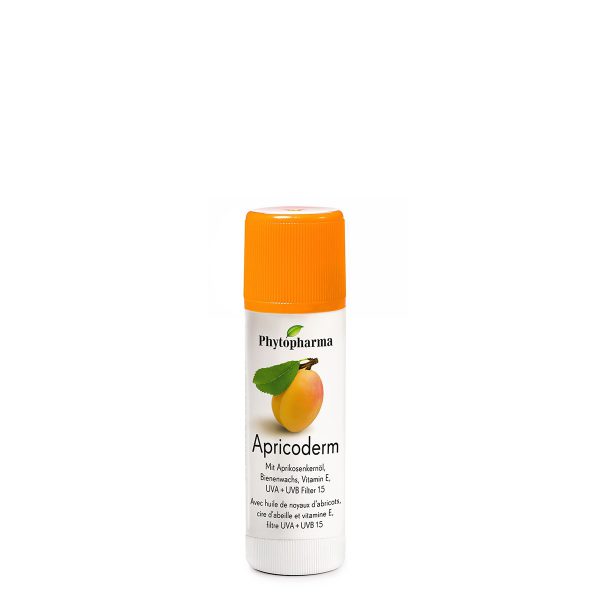
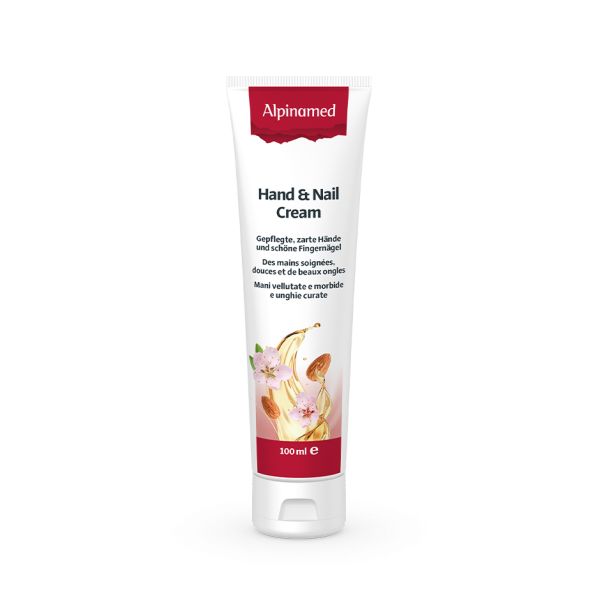
From our selection of body care, we particularly recommend these repairing treatments for lips and hands:


Frequently asked questions
How can I heal chapped lips quickly?
Apply a rich, fragrance-free balm several times a day and in a thick layer in the evening, stop licking your lips and drink regularly. Lips that are simply chapped generally improve within a few days.
Why do my lips stay dry despite using a balm?
Some fragranced or menthol balms keep the irritation going, along with the urge to lick your lips. A toothpaste, lipstick or medicine may also be to blame. If the dryness lasts more than two to three weeks, see a doctor.
How do I treat a crack at the tip of my finger?
Clean it gently, apply a thick repair treatment several times a day and protect it if necessary with a suitable plaster. Wear gloves for household chores. A crack that is red, hot or oozing pus should be shown to a professional.
Which cream is best for very damaged hands?
A cream rich in lipids (shea, wax, glycerine), possibly with urea for rough areas, applied after every wash, and a thicker treatment at night under cotton gloves. If your hands remain red and cracked, it may be eczema, which requires medical advice.
Can lip balm be used on children?
Yes, a simple balm without fragrance or menthol is perfectly suitable. In children who lick their lips a lot, redness around the mouth is common in winter: a protective balm applied generously helps break the vicious circle.
Sources

Skin care
Further reading
Dry skin in winter: the routine recommended by your pharmacist
Itchy shins, rough hands, tight cheeks? Our pharmacists’ step-by-step routine for dry skin in winter, the ingredients that work and mistakes to avoid.